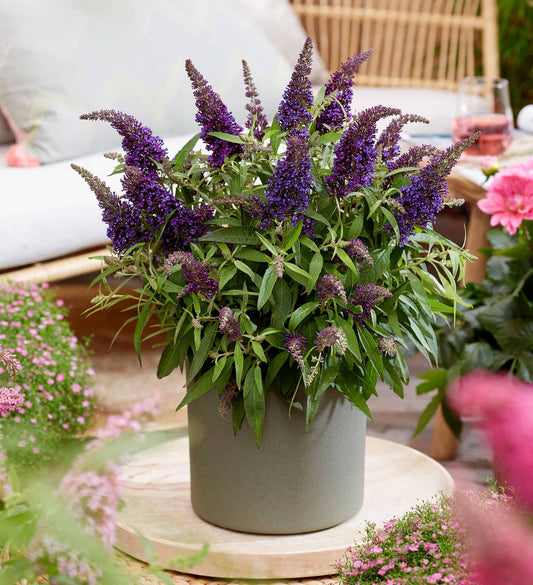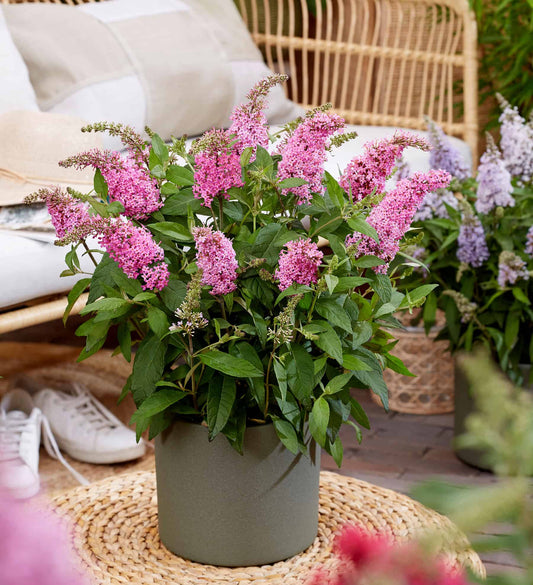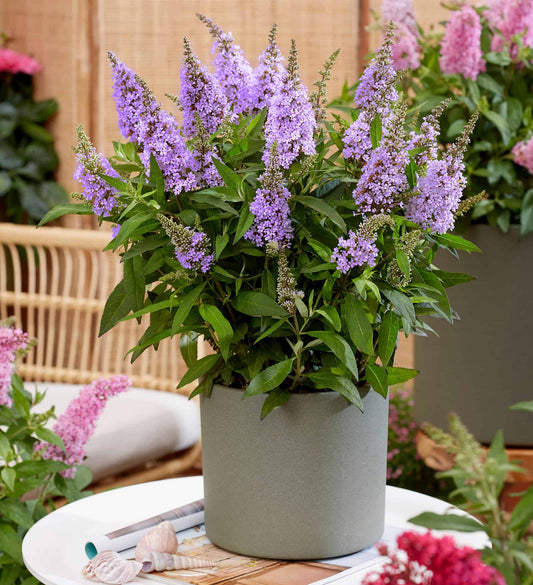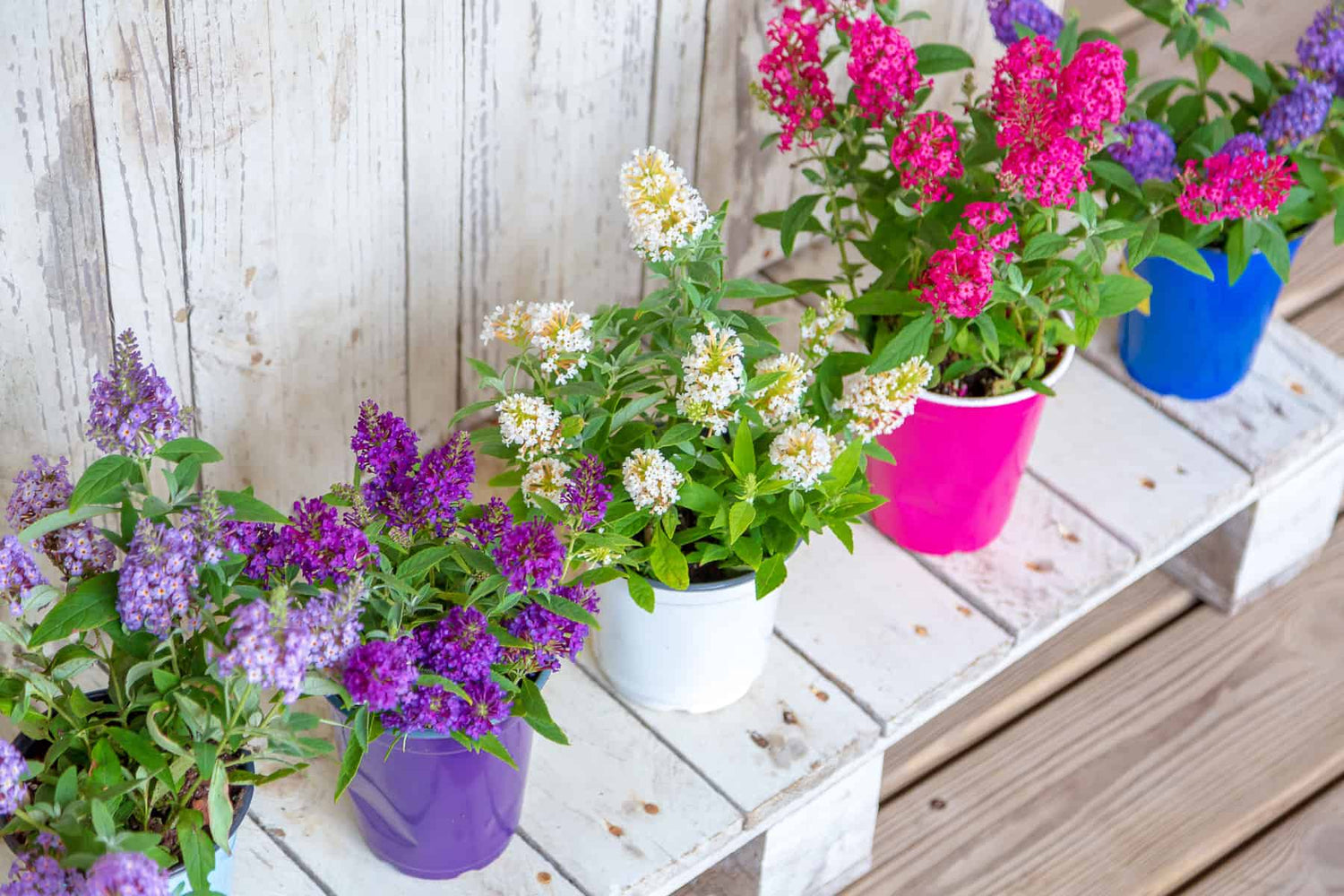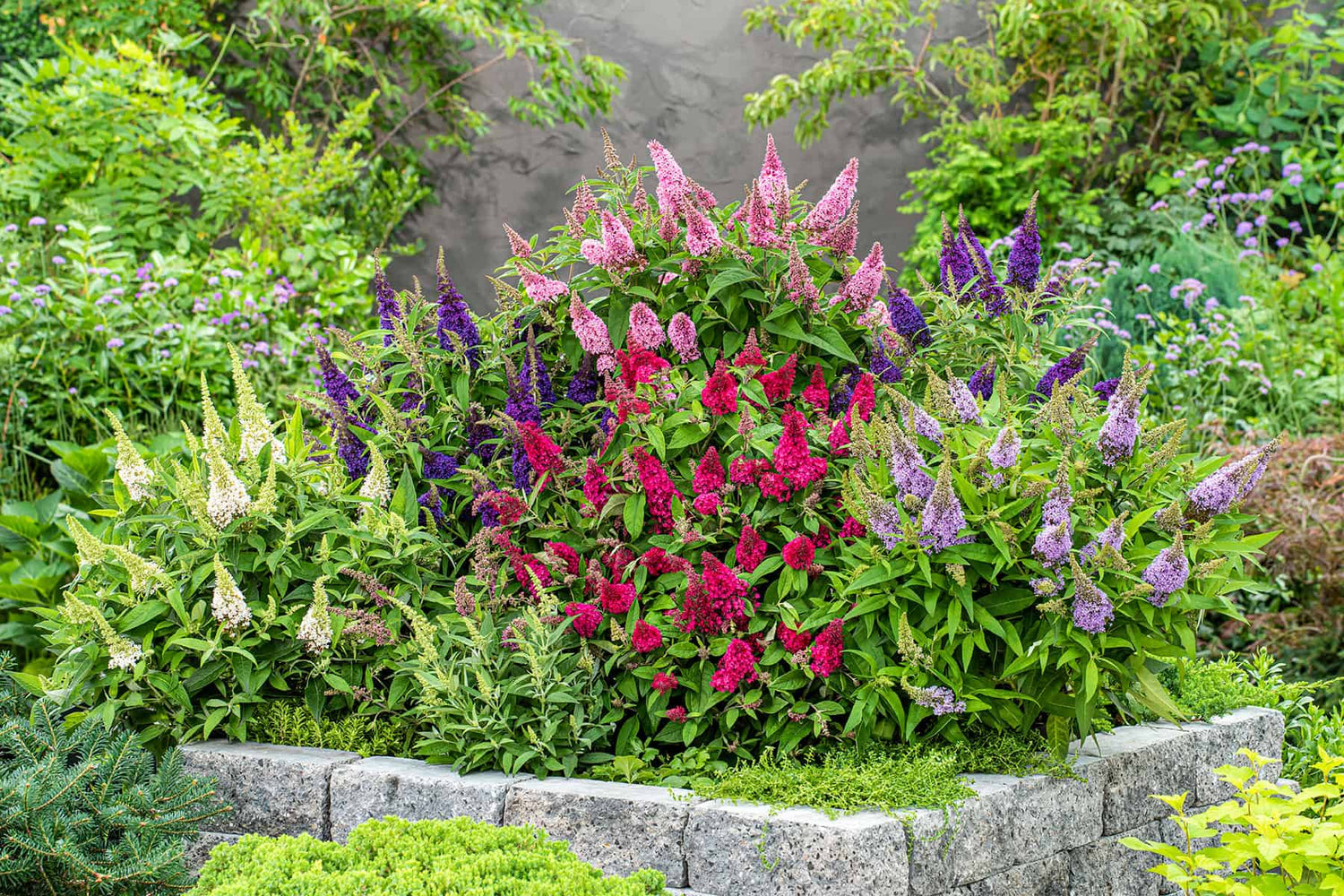


A Zone-by-Zone Guide to Fall Planting Butterfly Candy Butterfly Bushes
Fall can be one of the best times to plant a butterfly bush. Cooler temperatures put less stress on newly planted shrubs, while soil often stays warm enough to support root growth well into the season.
But the best timing for butterfly bush fall planting depends on where you live. Gardeners in colder climates need to plant early enough for roots to begin establishing before the ground freezes, while gardeners in warmer regions may be better off waiting until lingering summer heat has passed.
This butterfly bush zone guide breaks down general fall planting windows for USDA Zones 5–10, plus what to know about watering, mulching, frost, pruning, and when to transplant butterfly bush plants. Because USDA hardiness zones are based on average annual minimum winter temperatures—not first-frost dates, soil-freeze dates, rainfall, or summer heat—these windows should be treated as starting points rather than fixed deadlines.
Why Plant Butterfly Bushes in Fall?
Fall offers newly planted butterfly bushes a break from the intense heat and rapid moisture loss of summer. As temperatures cool, plants generally lose water more slowly, making it easier to keep the root zone consistently moist while the shrub settles in.
At the same time, soil can remain warm even after air temperatures begin to drop. That gives roots an opportunity to grow into the surrounding soil before the next period of extreme weather.
The key is choosing the right planting window for your climate. In colder areas, planting too late can leave a shrub with little time to establish before winter. Farther south, planting too early can expose it to unnecessary heat stress. As a general rule, the ideal butterfly bush fall planting window moves later as you travel south.
Butterfly Bush Zone Guide for Fall Planting
Butterfly Candy Butterfly Bushes are root hardy in USDA Zones 5–10. Within that range, your best fall planting date depends on local temperatures, soil conditions, and how soon winter weather typically arrives.
Use the windows below as a starting point, but keep an eye on your local forecast. An unusually hot fall, early freeze, prolonged drought, or stretch of heavy rain can all affect planting conditions.
Zones 5–6: Late Summer Through Early Fall
In butterfly bush Zones 5 and 6, the fall planting window is relatively short. Spring is often the safer planting time in the coldest parts of this range, but fall planting can still work when shrubs are planted early enough to begin establishing well before sustained freezing weather arrives.
Plant early enough to give your shrub several weeks to begin rooting into the surrounding soil before the ground starts freezing regularly. Rather than relying on a fixed calendar date, aim for late summer to early fall and adjust according to your local first hard freezes and typical soil-freeze timing.
In butterfly bush Zones 5 and 6, the fall planting window is relatively short. Plant early enough to give your shrub several weeks to begin rooting into the surrounding soil before the ground starts freezing regularly. If your area tends to see early freezes, late August through September may be your safest window. In locations with a longer, milder fall, planting may remain possible into early October.
For the best results:
- Plant as early as practical within your local fall window.
- Pay attention to your expected first hard freeze.
- Water whenever the soil around the root ball begins to dry.
- Add 1–2 inches of mulch over the root zone.
- Keep mulch several inches away from the base of the plant.
- Avoid planting in frozen or waterlogged soil.
Container-grown butterfly bushes need extra consideration in colder climates because roots in containers are more exposed to freezing temperatures than roots protected in the ground. Whenever possible, plant them in the landscape early enough to begin establishing before winter.
Butterfly bushes may also die back substantially—or even to the ground—in colder parts of Zones 5 and 6, then regrow from the crown or roots in spring. A protected planting site and winter mulch can help reduce temperature swings around the root zone.
Zones 7–8: Early to Late Fall
Zones 7 and 8 often offer an especially good window for butterfly bush fall planting. Once the worst summer heat begins to fade, the soil can stay warm enough for root growth for weeks afterward. That combination gives newly planted shrubs time to establish without the stress of midsummer heat.
For the best results:
- Plant during the milder fall period, which often falls somewhere between September and November depending on your location.
- Wait until persistent summer heat has eased.
- Water deeply immediately after planting.
- Continue checking soil moisture throughout fall.
- Add supplemental water during extended dry periods.
- Mulch the root zone without piling mulch against the stems.
- Choose a planting site with good drainage.
Cooler weather does not mean a new butterfly bush no longer needs water. Its root system is still limited, so continue checking the soil during warm, windy, or dry stretches.
Zones 9–10: Mid-fall Through Early Winter
In butterfly bush Zones 9 and 10, summer heat is usually a bigger concern than an early freeze. Late summer and early fall can still bring high temperatures, intense sun, and dry weather. Planting during those conditions may make it harder for a new shrub to maintain adequate moisture while its roots are still confined to a small area. Waiting until temperatures become more moderate can make establishment easier.
For the best results:
- Wait until intense summer heat has passed.
- Plant during the cooler part of fall or early winter; in many locations this begins around October, but local weather should guide the timing.
- Keep the root zone evenly moist but never saturated.
- Watch for warm, dry spells, which may continue into fall.
- Check the soil before watering rather than following a fixed schedule.
- Make sure the planting site drains well.
Because winters are generally milder in these zones, gardeners often have more flexibility with fall planting dates.
Not Sure What Your Planting Zone Is?
Use the USDA's most up-to-date Plant Hardiness Zone Map to determine your planting zone.

Remember that your hardiness zone tells you about typical winter minimum temperatures. It does not tell you exactly when frost will arrive, when your soil will freeze, or when fall planting conditions will be best.
When to Transplant Your Butterfly Bush
If you are wondering when to transplant your butterfly bush, the answer depends on whether you are planting a nursery-grown shrub or relocating an established plant.
A Butterfly Candy shrub growing in a nursery container can be planted during the recommended fall window for your zone. Because the roots remain together in the existing root ball, the plant experiences less disruption during planting.
Moving an established butterfly bush is different. Digging inevitably removes or damages some of the existing roots, so timing becomes more important.
In colder climates, early spring is often one of the safest times to transplant an established butterfly bush because the plant then has an entire growing season to recover before winter. Early fall can also be a suitable transplanting period for deciduous shrubs when the move is completed well before prolonged soil freezing. In warmer climates, fall can be an excellent time to transplant once the hottest summer weather has passed.
When transplanting an established butterfly bush:
- Water it thoroughly before digging.
- Keep as much of the root ball intact as possible.
- Prepare the new hole before lifting the shrub.
- Replant promptly so the roots do not dry out.
- Water deeply after transplanting.
- Monitor soil moisture closely while the plant recovers.
- Avoid heavy fertilization immediately after the move.
Because transplanting causes more root disturbance than planting a container-grown shrub, the plant may need more careful attention while it re-establishes.
 Choose the Right Location
Good timing helps, but site selection is just as important for successful butterfly bush fall planting.
Butterfly Candy shrubs perform best in a location with:
- Full sun, generally at least 6 hours of direct sunlight per day
- Well-drained soil
- Enough room for its mature 2–3-foot height and width
- Easy access to water during establishment
Pay particular attention to drainage. After a heavy rain, water should drain away rather than collect around the root zone. Healthy roots need both moisture and oxygen, so soil that stays saturated for long periods can make establishment more difficult.
 How to Water a Newly Planted Butterfly Bush in Fall
A newly planted butterfly bush needs consistent moisture while its roots begin growing into the surrounding soil.
That does not mean watering every day. Instead, check the soil near the root ball a few inches below the surface. If it feels dry, water deeply. If it still feels noticeably moist, wait and check again later. Deep watering is more useful than lightly wetting the surface because it helps moisture reach the entire root zone.
How often you need to water will depend on:
- Temperature
- Rainfall
- Soil type
- Sun exposure
- Wind
- Drainage
As temperatures cool, the plant may need water less frequently, but continue monitoring moisture until it is established.
 How to Mulch Butterfly Bushes in Fall
Mulch is especially useful after fall planting because it helps keep conditions around the root zone more consistent. A 1–2-inch layer helps slow moisture loss, moderate soil-temperature swings, and reduce weed competition.
Spread mulch evenly around the root zone, leaving several inches of open space around the base of the shrub. Avoid piling mulch against the stems or crown. In colder butterfly bush zones, mulch can help buffer changes in soil temperature, but it is not a substitute for planting early enough. The shrub still needs time to begin establishing before the ground freezes.
What If Frost Arrives After Planting?
A light frost soon after planting does not automatically mean your butterfly bush is in trouble.
A frost, a hard freeze, and prolonged frozen soil are not the same thing. A frost may damage tender leaves or stems while the soil and roots remain unfrozen. For fall establishment, prolonged freezing of the root zone is generally a greater concern than a single light frost.
In Zones 5 and 6, the bigger concern is whether the plant had enough time to begin establishing before the ground freezes for an extended period. That is why early fall planting is so important in colder climates.
In Zones 7 and 8, occasional frost is generally less limiting because the soil often remains workable later into the year.
In Zones 9 and 10, frost is usually less of a concern than lingering heat or drought, although colder microclimates and unusual freezes can still occur.
Should You Fertilize a Butterfly Bush in Fall?
After fall planting, focus on root establishment rather than pushing new top growth. Avoid heavy fertilizer applications designed to stimulate a flush of leaves late in the season. In colder climates, tender new growth may not have enough time to mature before freezing temperatures arrive.
Should You Prune a Butterfly Bush in Fall?
A newly planted Butterfly Candy shrub generally does not need significant fall pruning.
At planting time, remove only branches that are broken, damaged, or clearly dead. Save routine pruning for early spring before new growth begins.
For more detailed guidance, visit our When and How to Prune Butterfly Candy Buddleia Bushes guide.
Give Your Butterfly Bush a Strong Start This Fall
Successful butterfly bush fall planting comes down to matching your planting date to your climate.
In colder butterfly bush zones, planting early gives roots more time to establish before winter. In the middle of the growing range, fall often provides a long stretch of mild planting weather. In warmer regions, waiting until summer heat eases can reduce stress on a newly planted shrub.