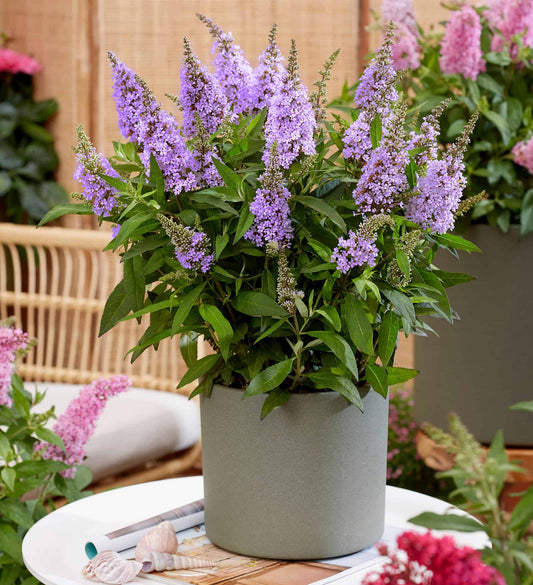


When and How to Transplant Your Butterfly Bush
Thinking about moving your butterfly bush to a new spot in the garden? Whether your shrub has outgrown its space, needs more sunlight, or would simply look better somewhere else, transplanting can give it a fresh start.
But when is the best time to transplant a butterfly bush, and how can you move it without causing unnecessary stress? From choosing the right season to protecting the roots and managing transplant shock, here's what you need to know to help your butterfly bush thrive in its new home.
When Is the Best Time to Transplant a Butterfly Bush?
The best time to transplant a butterfly bush is during dormancy, typically in early spring before new growth begins or in fall after the growing season slows down. The ideal timing depends on your local climate.
- Early spring: Often the best option for gardeners in colder climates, giving the roots time to establish before the following winter.
- Fall: A good option in milder climates, once summer temperatures have cooled and there is enough time for roots to establish before freezing weather.
- Summer: Generally best avoided, especially during extreme heat or when the plant is actively flowering.
How to Transplant a Butterfly Bush
Ready to make the move? Follow these steps to give your butterfly bush the best possible start in its new home.
Step 1: Choose the Right Location
Before digging, find a spot where your butterfly bush can thrive. Butterfly bushes grow best in:
- Full sun: At least 6 hours of direct sunlight daily.
- Well-drained soil: Avoid areas where water collects or remains saturated.
- Adequate space: Allow room for your shrub to reach its mature size. Butterfly Candy®'s naturally compact habit makes it especially well-suited for smaller gardens!
Step 2: Water Before Transplanting
If the soil is dry, water your butterfly bush thoroughly a day or two before moving it. Slightly moist soil can be easier to dig and helps keep the root ball together. Avoid digging when the ground is extremely wet or muddy.
Step 3: Prepare the New Planting Hole
Dig the new hole before removing your shrub from its existing location. Make the hole approximately twice as wide as the root ball, but no deeper than the root ball itself. This gives the surrounding roots room to grow without burying the plant too deeply.
Step 4: Carefully Dig Up Your Butterfly Bush
Begin digging around the shrub, keeping as much of the root system intact as possible. For established butterfly bushes, the root system can extend beyond the visible canopy. The size of the root ball will depend on the plant's age, growth, and surrounding soil. Work carefully around the roots and lift the shrub with as much surrounding soil as you can safely manage.
Step 5: Move the Butterfly Bush to Its New Home
Carefully lift and transport the root ball, supporting it from underneath rather than pulling on the stems. Position the shrub so its original root crown remains at the same level as, or slightly above, the surrounding soil. Avoid burying the base of the plant. Backfill with the soil you removed from the planting hole, gently firming it to eliminate large air pockets.
Step 6: Water Thoroughly
After transplanting, water deeply to help settle the soil around the roots. Continue monitoring soil moisture as your butterfly bush establishes. The root zone should receive adequate moisture without staying constantly wet. Check the soil before watering, since rainfall, temperature, and drainage can all affect how quickly it dries out.
Step 7: Add Mulch and Monitor Your Plant
Apply a light layer of organic mulch over the root zone to help conserve soil moisture and moderate soil temperatures. Keep mulch a few inches away from the main stems to avoid excess moisture against the base of the plant. During the following weeks, watch for signs of stress and adjust watering based on the soil conditions.
Butterfly Bush Transplant Shock: What to Expect
Even with careful preparation, transplanting a butterfly bush can temporarily stress its root system. These symptoms can occur when the disturbed root system has difficulty supplying enough water to support the plant's existing growth.
Common signs of transplant shock include:
- Wilting or drooping leaves
- Yellowing or premature leaf drop
- Slower growth
- Reduced flowering
How to Help a Butterfly Bush Recover from Transplant Shock
- Monitor soil moisture and water deeply when needed.
- Avoid fertilizing immediately after transplanting.
- Make sure the planting area drains well.
- Avoid unnecessary heavy pruning.
- Give the roots time to reestablish before expecting vigorous growth.
Recovery times vary depending on the plant's size, the extent of root disturbance, and growing conditions. Some shrubs rebound relatively quickly, while others need an entire growing season or longer to fully establish.
Should You Prune a Butterfly Bush Before Transplanting?
Generally, avoid heavy pruning immediately before transplanting your butterfly bush. Although it might seem helpful to cut back the stems to compensate for lost roots, unnecessary pruning can create additional stress.
Instead, remove dead, broken, or damaged branches as needed. If healthy branches make the shrub difficult to move, gently tie them together. Because butterfly bushes bloom on new wood, annual pruning is generally best saved for late winter or early spring, with timing adjusted for your local climate.
Can You Transplant a Large, Established Butterfly Bush?
Yes, but transplanting a mature butterfly bush takes more preparation than moving a young shrub. Older plants generally have more extensive root systems, making it difficult to preserve enough roots during the move.
For larger shrubs, consider root pruning well in advance of transplanting. This technique can encourage new feeder roots to develop closer to the main root ball, although it also creates temporary stress and requires proper follow-up care.
Frequently Asked Questions
Can you transplant a butterfly bush in the fall?
Yes. Fall can be an excellent time to transplant a butterfly bush in milder climates, particularly after hot summer temperatures have passed. In colder climates, early spring may be a safer option.
Can you transplant a butterfly bush in the spring?
Yes! Early spring, before active new growth begins, is often one of the best times to transplant butterfly bushes in regions with cold winters.
Can you transplant a butterfly bush while it's blooming?
It's possible, but generally not recommended. Moving a butterfly bush while it's actively flowering can increase transplant stress, particularly during hot weather. Waiting until dormancy is usually preferable.
How long does transplant shock last in butterfly bushes?
There is no fixed recovery period. Some plants show improvement within weeks, while others take a full growing season or longer to reestablish. Recovery depends on root damage, watering, weather, and growing conditions.
Will a butterfly bush bloom after transplanting?
It may! However, some butterfly bushes produce fewer flowers as they recover from being moved. Proper sunlight, drainage, and watering can support healthy new growth and future flowering.
A Fresh Start for Your Butterfly Bush
Moving a butterfly bush doesn't have to be complicated. With the right timing, careful digging, and consistent aftercare, you can help your shrub settle into its new home and get back to doing what it does best: filling your garden with beautiful blooms and visiting pollinators.
Looking for a colorful butterfly bush that fits beautifully into smaller spaces? Explore the Butterfly Candy® collection and discover five compact varieties with vibrant, fragrant blooms that butterflies and other pollinators love.